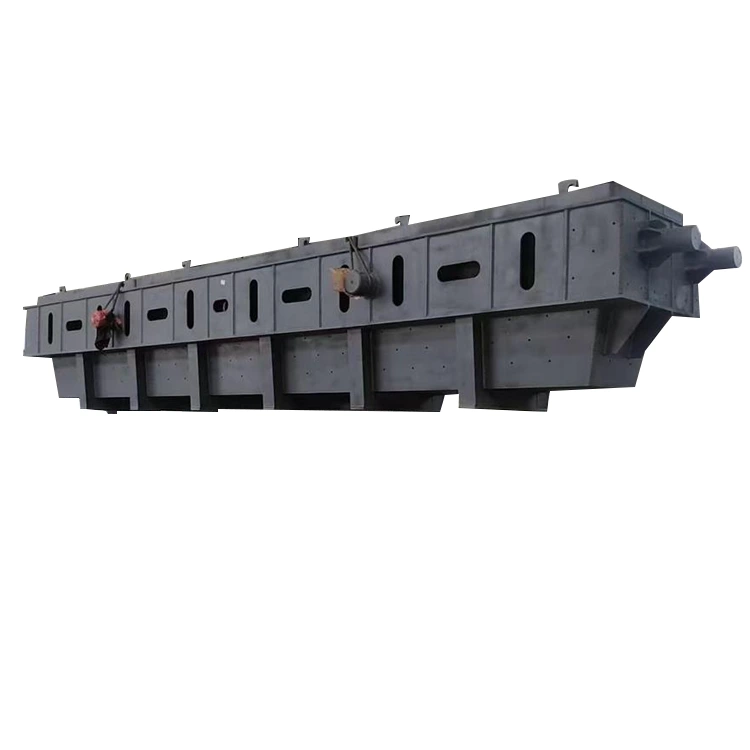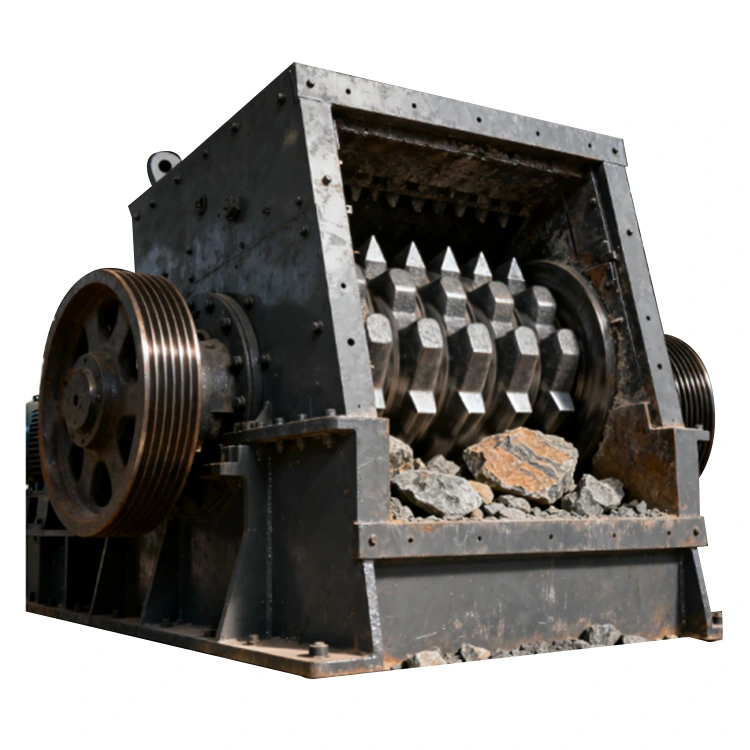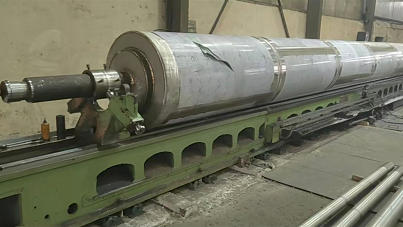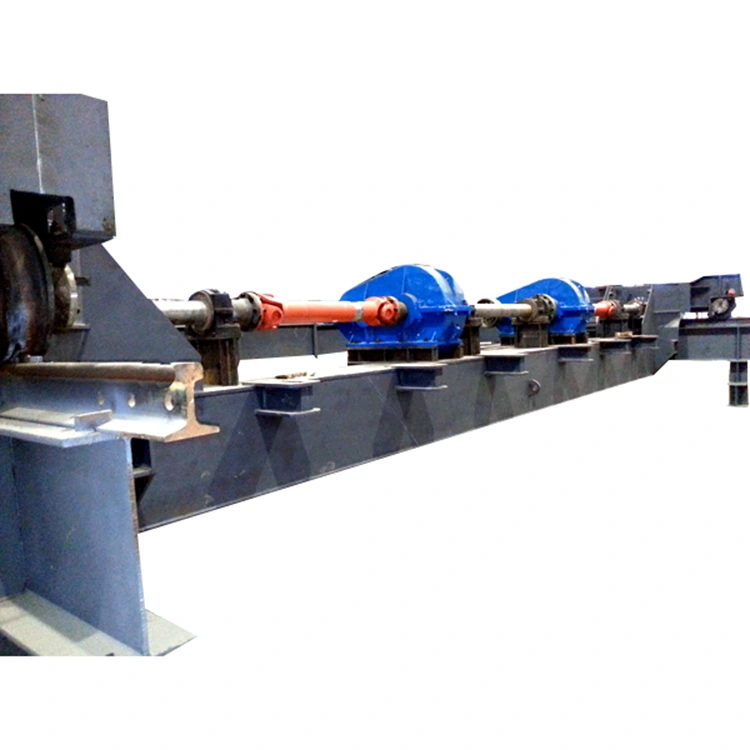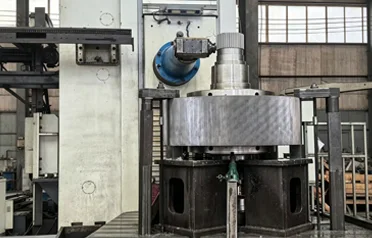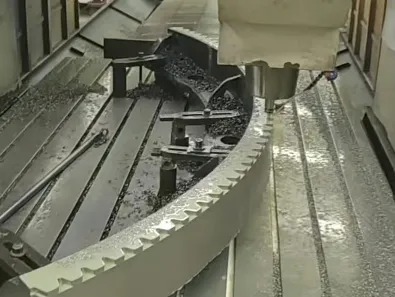

Non-standard parts processing is the core support for the customized development of modern industry.
In the vast system of industrial manufacturing, components, as the "cells" of equipment, directly determine the performance, precision, and stability of products. With the diversification of market demands and the acceleration of technological innovation, standardized components are no longer sufficient to meet the complex requirements of high-end equipment, special working conditions, and personalized production. Non-standard component processing, with its core advantage of "tailor-made," has moved from behind the scenes to the forefront, becoming a key force in solving enterprise production problems and driving industrial upgrading, deeply integrating into multiple fields such as aerospace, new energy, intelligent manufacturing, and mining and metallurgy.
I. The Core Connotation of Non-standard Component Processing: The Unity of Customization and Precision
Non-standard component processing refers to the production of personalized components that do not conform to national standards, industry standards, or general specifications, based on specific enterprise needs, product design drawings, or special working condition requirements. Compared to standardized parts, non-standard machining's core characteristics lie in the dual unity of "customization" and "precision": From a customization perspective, non-standard machining is entirely centered around the actual needs of enterprises—from small, irregularly shaped gears in mining equipment adapted to older models, to large, special alloy structural components in the aerospace field. Whether it's dimensional parameters, material selection (such as high-temperature alloys, corrosion-resistant stainless steel, and high-strength composite materials), or structural design (such as complex surfaces, special interfaces, and integrated functions), everything can be flexibly adjusted according to specific scenarios, completely solving the problem of standardized parts being "unsuitable for various environments."
From a precision perspective, non-standard machining demands extremely high process accuracy. Modern non-standard machining relies on advanced equipment such as CNC lathes, machining centers, five-axis CNC machine tools, and 3D printing, combined with CAD/CAM design software and precision measuring instruments (such as coordinate measuring machines and laser rangefinders), achieving micron-level machining accuracy. This ensures perfect compatibility between customized parts and equipment, guaranteeing the stability and reliability of product operation.
II. Solving Production Pain Points: Realizing the Core Value of Non-Standard Component Processing
The value of non-standard component processing lies essentially in solving various pain points in production, R&D, and operation and maintenance for enterprises through "personalized solutions," injecting flexible momentum into enterprise development.
(I) Adapting to Special Working Conditions and Ensuring Stable Operation in Extreme Environments
In many industrial scenarios, equipment faces extreme working conditions such as high temperature, high pressure, high corrosion, and strong wear. Standardized components are often insufficient due to limitations in materials and structures. Non-standard processing, through targeted design and process optimization, has become a "must-have" choice for these scenarios. For example, in blast furnace equipment in the metallurgical industry, the protective sleeve of the furnace body temperature measuring element needs to withstand temperatures above 1500℃ and slag wear. Non-standard processing companies can use special ceramics or high-temperature alloy materials to customize the thickness, structure, and installation interface of the sleeve, ensuring long-term stable operation of the temperature measuring element in extreme environments. In deep-sea exploration equipment, non-standard processed sealing components need to have superior pressure resistance and waterproofing. Through special material selection and precision structural processing, the normal operation of the equipment in the high-pressure environment of the deep sea is ensured. Furthermore, in scenarios such as the repair of old equipment and the modification of specialized equipment, non-standard processing can accurately replicate discontinued special parts or optimize the design of alternative parts, avoiding equipment downtime due to missing parts and significantly reducing downtime losses for enterprises.
(II) Empowering Technological Innovation and Accelerating New Product R&D and Implementation
Technological innovation is key to an enterprise's core competitiveness, and the R&D of new products and equipment often involves entirely new component requirements that standardized parts cannot meet. Non-standard component processing, with its rapid response capabilities, becomes an "accelerator" for enterprise R&D. In the new energy vehicle industry, automakers need to continuously optimize battery pack structures and motor transmission systems to improve driving range and power performance. Non-standard processing can quickly manufacture customized battery brackets, transmission gears, heat dissipation components, etc., based on R&D drawings, helping enterprises quickly complete prototype testing and performance testing, shortening the R&D cycle. In the field of intelligent manufacturing, the end effectors of industrial robots need to be adapted to workpieces of different shapes and weights. Non-standard processing can customize grippers, suction cups, and other components, enabling flexible robot production and helping enterprises promote production process innovation. Meanwhile, the exploration of new materials and complex processes during non-standard processing will also drive the advancement of processing technology and manufacturing processes, forming a virtuous cycle of "R&D needs - processing innovation - technology iteration".
(III) Optimizing Production Processes to Improve Enterprise Production Efficiency and Benefits
For manufacturing enterprises, process optimization and efficiency improvement are the core objectives of cost reduction and efficiency enhancement. Non-standard parts processing can create "tailor-made" production tools for enterprises through customized tooling fixtures and special equipment components, indirectly improving overall production efficiency. For example, in electronic component assembly workshops, non-standard processing's special tooling fixtures can accurately position workpieces, enabling rapid assembly with automated equipment, reducing human error, and improving assembly efficiency; in the machining industry, for the processing needs of specific products, non-standard customized special tools and molds can optimize cutting paths, improve processing accuracy, and reduce scrap and rework rates; in logistics and handling scenarios, non-standard processing's customized conveyor rollers and positioning components can adapt to products of different specifications, realizing flexible operation of logistics lines and improving material flow efficiency. These seemingly niche non-standard components, through optimizing the details of the production process, ultimately bring significant economic benefits to enterprises.
(IV) Supporting Industrial Upgrading and Helping Enterprises Build Differentiated Competitiveness
Under the strategic guidance of "Made in China 2025," my country's industry is transforming from "scale expansion" to "quality improvement," with high-end manufacturing and intelligent manufacturing becoming the core directions of industrial upgrading. As a fundamental support for high-end manufacturing, the technological level of non-standard component processing directly affects the progress of industrial upgrading. In strategic emerging industries such as aerospace and high-end equipment, the requirements for the precision, material, and reliability of components are extremely high. Non-standard processing enterprises, by overcoming technical challenges such as high-precision processing and special material processing, provide core component support for these industries, helping my country's high-end manufacturing to break free from dependence on imported components. In the consumer electronics field, personalization and customization have become market trends. Non-standard processing can meet enterprises' differentiated design needs for product appearance and function, helping them build unique product competitiveness and seize market opportunities. It can be said that the development level of non-standard component processing has become one of the important indicators for measuring a country's industrial manufacturing strength. III. Industry Development Trends: Technological Upgrading and Ecosystem Collaboration Drive Growth
With the deepening of Industry 4.0 and intelligent manufacturing, the non-standard parts processing industry is also showing distinct development trends. On the one hand, technological upgrading has become the core driving force—the application of new technologies such as 3D printing, five-axis machining, and digital twins has made non-standard processing more precise, shorter in cycle, and lower in cost. For example, 3D printing technology can quickly manufacture prototypes of complex parts, significantly shortening the R&D cycle; digital twin technology can simulate the processing process in a virtual environment, predict and solve processing problems in advance, and improve the success rate of processing. On the other hand, ecosystem collaboration has become an industry consensus. Non-standard processing companies are no longer simply "processors" but are transforming into "customized solution providers," providing full-process services from product design, material selection, process optimization to subsequent operation and maintenance through in-depth cooperation with customers. At the same time, the collaboration between upstream and downstream companies in the industry is also constantly strengthening, forming a complete industrial chain of "raw material supply—design and development—precision machining—testing and acceptance," enhancing the overall competitiveness of the industry.
In conclusion, while non-standard parts processing may seem like a "niche sector" in industrial manufacturing, it is actually an "invisible cornerstone" supporting enterprises' personalized production, technological innovation, and industrial upgrading. From ensuring stability under extreme operating conditions to accelerating R&D and serving as a core support for industrial upgrading, non-standard parts processing, with its advantages of "customization, precision, and flexibility," is deeply integrated into every aspect of modern industry. With continuous technological advancements and evolving market demands, the non-standard parts processing industry will undoubtedly usher in broader development prospects, injecting continuous momentum into my country's transformation from a "manufacturing giant" to a "manufacturing powerhouse."
Related News
- What Is an Electrically-Driven Steel Ladle Car and Why Is It Essential for Modern Steel Plants
- How Does an Electrically-Driven Steel Ladle Car Improve Safety and Efficiency in Molten Metal Transport
- How Does a Hydraulic-Driven Steel Ladle Car Transform Modern Steelmaking Logistics
- How Can a Centrifugal Bucket Elevator Significantly Boost Your Material Handling Efficiency
- What Safety Advantages Does Tension Monitoring Provide in Plate Conveyors?
- What Makes a Steel Moving Machine the Ideal Solution for Heavy Material Handling?
Leave me a message