
What Is an Electrically-Driven Steel Ladle Car and Why Is It Essential for Modern Steel Plants
In modern steelmaking facilities, safely transporting molten metal is one of the most critical and dangerous tasks. The Electrically-Driven Steel Ladle Car has emerged as a reliable solution for moving ladles filled with molten steel between furnaces, refining stations, and casting equipment. These heavy-duty rail vehicles combine high-temperature resistance, electric propulsion systems, and advanced safety controls to ensure efficient steel plant logistics.
This article explores the working principle, structure, applications, advantages, and selection considerations of electrically-driven steel ladle cars. It also explains how this equipment improves productivity, safety, and operational efficiency in steel manufacturing plants. Additionally, the article introduces advanced design solutions and industrial applications provided by manufacturers such as Yuexin.
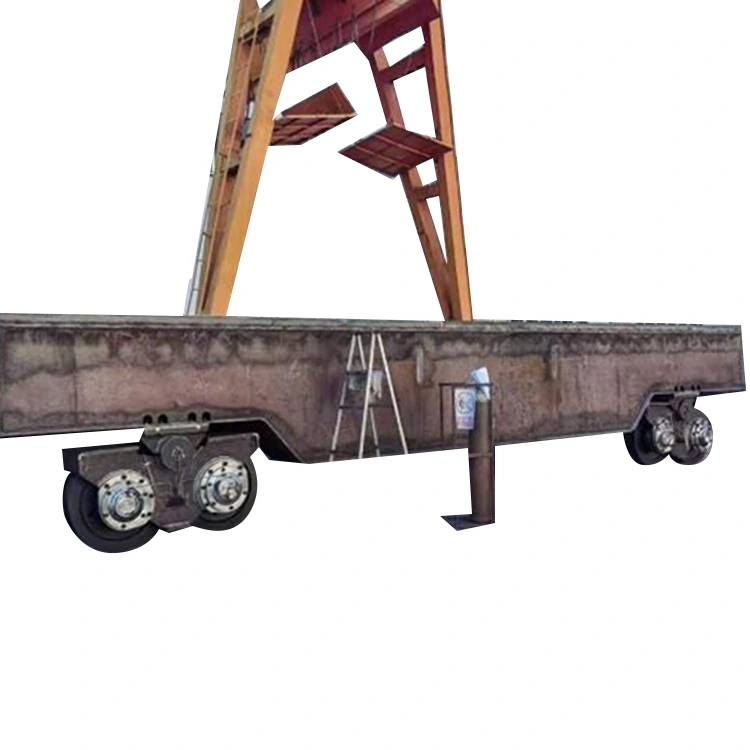
Table of Contents
- 1. What Is an Electrically-Driven Steel Ladle Car?
- 2. How Does a Steel Ladle Transfer Car Work?
- 3. Main Components of an Electrically-Driven Steel Ladle Car
- 4. Key Technical Specifications
- 5. Advantages of Electrically-Driven Ladle Cars in Steel Plants
- 6. Applications in Metallurgical Industries
- 7. Safety Design for High-Temperature Environments
- 8. Comparison: Electric Ladle Car vs Overhead Crane
- 9. How to Choose the Right Electrically-Driven Steel Ladle Car
- 10. Future Trends in Steel Ladle Transport Equipment
- FAQ: Electrically-Driven Steel Ladle Car
1. What Is an Electrically-Driven Steel Ladle Car?
An Electrically-Driven Steel Ladle Car is a specialized rail-mounted industrial vehicle designed to transport ladles filled with molten metal within steel plants and foundries. These vehicles carry ladles between melting furnaces, refining stations, and casting machines during steel production.
A ladle itself is a container used to transport and pour molten metal during metallurgical processes. Some large industrial ladles can hold hundreds of tons of molten steel depending on plant capacity.
The electrically-driven ladle car replaces manual handling or crane-based transport by providing a controlled, motor-driven solution that runs on fixed rails within the factory. This ensures safer and more efficient movement of extremely hot materials. According to industrial manufacturing data, these systems are widely used to move molten steel between steelmaking furnaces and casting equipment in modern steel plants.
2. How Does a Steel Ladle Transfer Car Work?
The working principle of an electrically-driven steel ladle car is relatively straightforward but highly engineered to handle extreme loads and temperatures.
- Electric power is supplied through batteries, cable drums, or sliding conductors.
- The motor drives wheels through a gearbox or reducer system.
- The vehicle runs along steel rails installed inside the plant.
- The ladle containing molten steel is positioned on the ladle support frame.
- Operators control movement through a remote system or PLC automation.
When the furnace taps molten metal into the ladle, the ladle car moves the vessel to refining or casting areas without interrupting the steelmaking process. This reduces delays and improves production efficiency in melt shops.
3. Main Components of an Electrically-Driven Steel Ladle Car
A high-quality ladle transfer car consists of several critical structural and mechanical components designed to withstand extreme conditions.
- Car Body Frame – Heavy-duty welded steel structure supporting the entire load
- Ladle Support Platform – Holds the ladle securely during transportation
- Electric Drive System – Includes motors, gear reducers, and transmission shafts
- Wheel Assembly – High-strength wheels designed for rail operation
- Control System – PLC or remote-control operation for precise movement
- Heat Protection System – Firebrick insulation and thermal shielding
- Safety System – Emergency stop, overload protection, and anti-collision devices
Most designs use a box-type frame structure reinforced with cross beams to support heavy ladles and ensure long-term structural stability in steel plants. :contentReference[oaicite:2]{index=2}
4. Key Technical Specifications
| Parameter | Typical Range |
|---|---|
| Load Capacity | 20 – 300 Tons |
| Power Supply | 380V AC / Battery Power |
| Running Speed | 0 – 30 m/min |
| Rail Gauge | 1435 – 2000 mm |
| Operating Temperature | Up to 2000°C environment |
| Drive Type | Single Drive / Dual Drive Motor |
The design parameters vary depending on the ladle capacity, plant layout, and steel production process.
5. Advantages of Electrically-Driven Ladle Cars in Steel Plants
Modern steel plants rely on ladle cars because they offer numerous operational advantages.
1. Improved Safety
Molten steel can exceed temperatures of 1600°C, making manual handling extremely dangerous. Ladle cars reduce human exposure to these hazardous conditions.
2. Higher Production Efficiency
Automated transportation reduces downtime between furnace tapping and casting operations.
3. Large Load Capacity
Heavy-duty designs allow the transportation of ladles weighing hundreds of tons.
4. Energy Efficiency
Electric motors provide efficient power transmission with lower energy consumption.
5. Stable Operation
Rail-guided movement ensures smooth, predictable transport even under heavy loads.
6. Applications in Metallurgical Industries
Electrically-driven steel ladle cars are widely used in different sectors of the metallurgical industry.
- Steelmaking plants
- Iron foundries
- Continuous casting workshops
- Refining furnace transport systems
- Metal smelting factories
These vehicles are typically used to transport molten metal from furnaces to continuous casting machines where the metal is formed into billets, slabs, or other products.
7. Safety Design for High-Temperature Environments
Transporting molten steel involves extreme hazards. Therefore, modern ladle cars include specialized safety systems.
- Fire-resistant insulation materials
- Explosion-proof motors
- Thermal shielding for electrical components
- Emergency braking systems
- Anti-collision sensors
- Backup drive systems
Some designs include dual motors so the vehicle can continue operating even if one motor fails. This redundancy ensures continuous production in steel plants.
8. Comparison: Electric Ladle Car vs Overhead Crane
| Feature | Electric Ladle Car | Overhead Crane |
|---|---|---|
| Automation | High | Medium |
| Safety | Very High | Moderate |
| Load Stability | Excellent | Dependent on operator |
| Operational Efficiency | Continuous transport | Intermittent lifting |
| Maintenance Cost | Lower long-term | Higher mechanical wear |
Many steel plants are replacing crane-based molten metal handling systems with automated ladle cars to improve productivity and safety.
9. How to Choose the Right Electrically-Driven Steel Ladle Car
Selecting the correct ladle transfer system depends on several factors.
- Maximum ladle capacity
- Plant layout and rail design
- Operating temperature
- Automation requirements
- Power supply type
- Safety standards
Working with experienced manufacturers such as Yuexin ensures that the ladle car is engineered according to the specific conditions of each steel production facility.
10. Future Trends in Steel Ladle Transport Equipment
The development of smart factories and Industry 4.0 technologies is transforming ladle transportation systems.
Future electrically-driven steel ladle cars will likely include:
- Fully autonomous navigation
- IoT monitoring systems
- Predictive maintenance sensors
- AI-based route optimization
- Improved thermal protection materials
These innovations will significantly enhance the efficiency, safety, and sustainability of steel manufacturing operations.
FAQ: Electrically-Driven Steel Ladle Car
1. What is the purpose of a steel ladle car?
A steel ladle car transports ladles filled with molten metal between different stages of the steelmaking process, including furnace tapping, refining, and casting.
2. What power source does a ladle transfer car use?
Most systems use electric motors powered by batteries, cable reels, or sliding conductors.
3. How much weight can a ladle car carry?
Depending on design, ladle transfer cars can carry loads ranging from 20 tons to over 300 tons.
4. Why are ladle cars safer than cranes?
Ladle cars run on rails and have stable load support, reducing the risk of swinging molten metal during transport.
5. Can ladle cars be customized?
Yes. Manufacturers such as Yuexin can customize ladle cars according to plant capacity, rail gauge, and automation requirements.
Conclusion
The Electrically-Driven Steel Ladle Car plays a crucial role in modern metallurgical operations by providing safe, efficient, and reliable transportation of molten metal. With its heavy-duty construction, electric propulsion, and advanced safety systems, this equipment has become a cornerstone of efficient steel plant logistics.
As steel production continues to evolve toward automation and smart manufacturing, ladle transport technology will become even more advanced. Investing in high-quality equipment from experienced manufacturers like Yuexin ensures improved productivity, enhanced worker safety, and long-term operational reliability.
If you are looking for reliable metallurgical transport equipment or customized ladle transfer solutions, contact us today to learn how Yuexin can support your steel manufacturing operations.
Related News
- How Does an Electrically-Driven Steel Ladle Car Improve Safety and Efficiency in Molten Metal Transport
- How Does a Hydraulic-Driven Steel Ladle Car Transform Modern Steelmaking Logistics
- How Can a Centrifugal Bucket Elevator Significantly Boost Your Material Handling Efficiency
- What Safety Advantages Does Tension Monitoring Provide in Plate Conveyors?
- What Makes a Steel Moving Machine the Ideal Solution for Heavy Material Handling?
- What Makes a Casting Tapered Segment Essential for High-Performance Industrial Structures?
Leave me a message