
Who should you contact for machining the sector section of a continuous casting machine? Tangshan Xinyue Machinery Factory provides the answer.
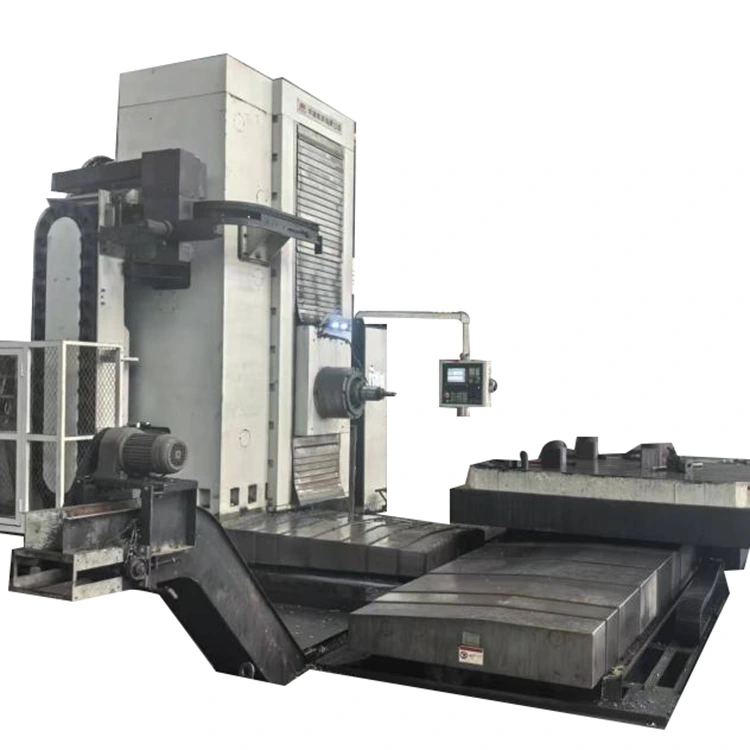
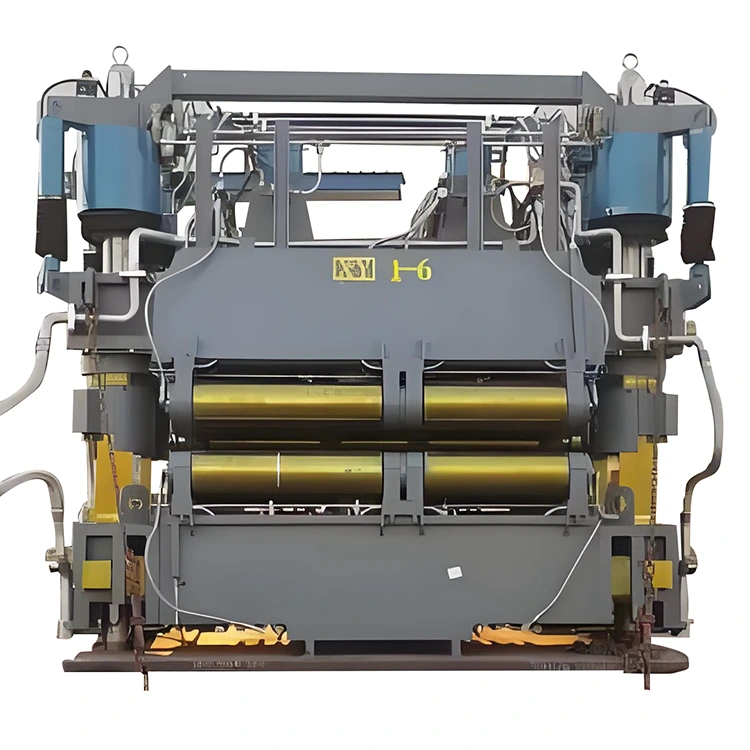
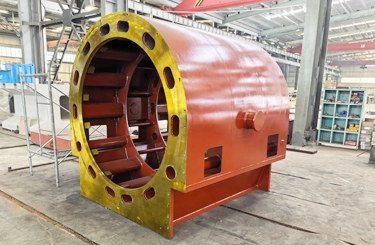
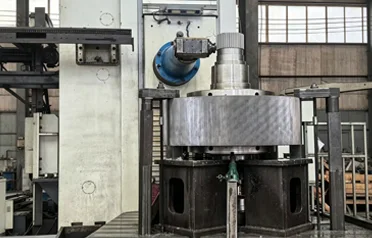
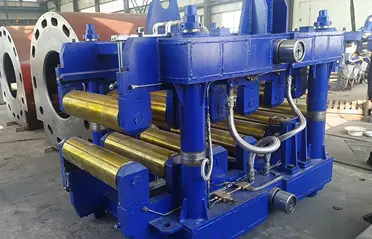
Entering the machining workshop of Tangshan Xinyue Machinery Factory, the first thing you see is the assembled sector section of a continuous casting machine on the floor. The blue frame, rows of rollers, hydraulic lines and metal hoses extending from the side, and valve joints all in place. Several large wheel-shaped workpieces stand nearby, awaiting machining. Cement floors, steel-structured workshops, and continuously running machine tools constitute the daily routine of this factory, which undertakes the machining of sector sections for continuous casting machines.
While the sector section of a continuous casting machine may seem like just a set of roller frames, its actual machining difficulty is not low. Located in the billet guide section, the rollers need to support the high-temperature billet shell in pairs. The frame is constantly subjected to the erosion of cooling water and iron oxide scale, and the roller surfaces need to be replaced or repaired after wear. Therefore, machining the sector section of a continuous casting machine tests the comprehensive capabilities of the entire machining system.
Tangshan Xinyue Machinery Factory was established in 2006 and restructured and upgraded to Tangshan Yuexin Machinery Equipment Manufacturing Co., Ltd. in 2019. It possesses comprehensive machining and welding capabilities, and its workshop is equipped with a 100-ton overhead crane, allowing for the hoisting and tilting of the continuous casting machine's sector section. In the production process, the frame is first cut, assembled, and welded. After rough machining, sufficient allowance is left for stress relief before precision machining. The dimensions of mating surfaces are checked item by item according to the drawings. Rollers are machined according to drawings, and the dimensions of the shaft head, roller surface, and bearing position must strictly correspond. If the roller gap is not properly adjusted during assembly, the entire section of equipment cannot be put into normal operation. Although hydraulic pipelines and hose joints are seemingly insignificant, leaks of oil or water can cause downtime on the production line. Therefore, pressure testing is required after assembly, and any joints that are not properly tightened must be reworked.
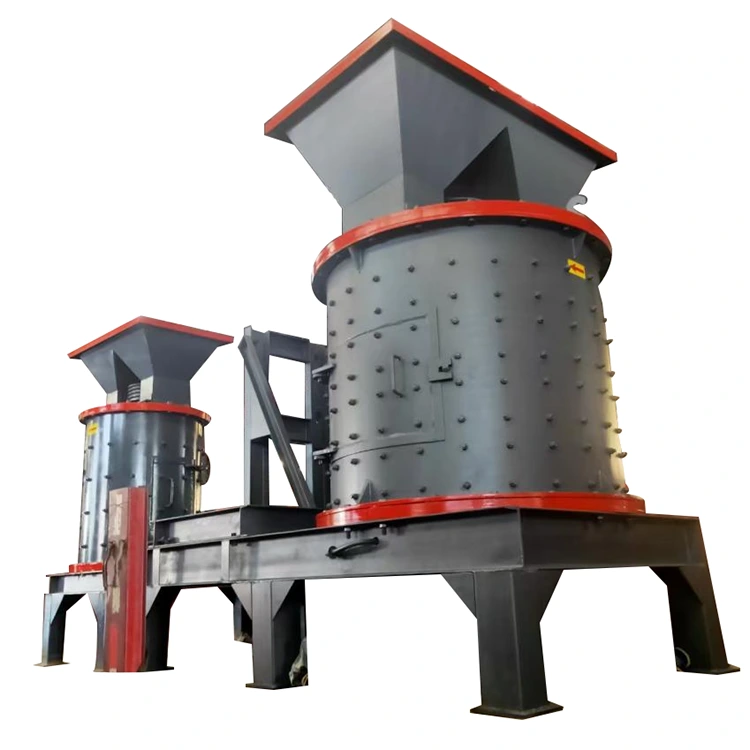
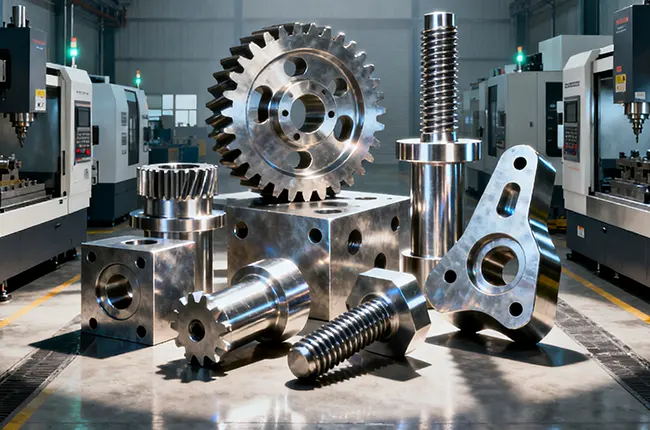
In terms of production capacity, the annual output of precision machined small parts is 500 to 5,000 tons, and the annual output of ordinary structural parts and welded parts is 10,000 to 50,000 tons. In addition to machining the sector sections of continuous casting machines, the factory also undertakes machining services for other metallurgical equipment. The large wheel-shaped parts in the workshop originate from other orders. Despite a full production schedule, each order is executed according to the drawings, with records kept for incoming materials, processes, and inspections. Quotations are itemized by material, labor hours, and outsourced parts; the practice of accepting a low price upfront and then increasing the price midway is not adopted.
For steel mills, the key to machining sector sections of continuous casting machines lies in selecting a machining factory that can accurately understand the drawings, strictly adhere to the procedures, and take full responsibility for any problems that arise. Tangshan Xinyue Machinery Factory does not promise exaggerated results; it only guarantees machining according to drawings, inspection according to procedures, and on-time delivery. Customers with drawings or who wish to know the machining cycle can contact the factory directly, submit their working conditions and parameters, and the factory will provide a clear answer regarding whether they can undertake the work and how to schedule production, based on the actual situation in the workshop.
Related News
- Tangshan Yuexin Machinery Manufacturing Co., Ltd.: From Raw Material to Finished Product, Large Workpiece Processing Completely Within the Factory
- Deeply Rooted in High-End Machinery Manufacturing | Tangshan Xinyue Machinery Factory Gains Long-Term Recognition and Cooperation from Numerous Large Heavy Industry Enterprises Due to its Superior Quality
- What's the Difference Between Non-standard and Standard Parts? A Tangshan Non-standard Parts Processing Manufacturer Explains It
- In which industries are large, heavy-duty, non-standard components used?
- How Can Large CNC Gantry Milling Machines Facilitate Heavy Component Machining? Tangshan Yuexin Machinery's Customized Equipment Successfully Assembled
- How to Ensure Stable Operation of Large Equipment with Heavy-Duty Lifting Arms? Tangshan Yuexin Machinery's Customized Components Successfully Shipped to Qinhuangdao
Leave me a message