What are some common application scenarios for non-standard parts?
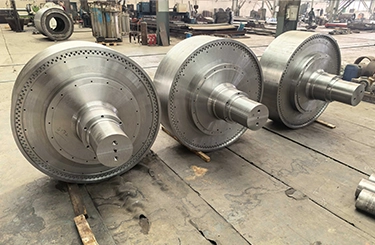
Tangshan Yuexin Machinery will help you understand that in industrial manufacturing and various sub-sectors, standardized parts meet conventional production needs due to their strong versatility and controllable costs. However, in the face of complex working conditions, special performance requirements, and personalized adaptation scenarios, the customized value of non-standard parts becomes increasingly prominent. Non-standard parts, i.e., non-standard customized parts, relying on flexible design, precise adaptation, and targeted performance optimization, have widely penetrated into multiple industries, becoming an important support for solving production problems and promoting product innovation. Tangshan non-standard parts manufacturers, combining industry experience, will provide a detailed explanation of the core application scenarios of non-standard parts.
I. Industrial Equipment Field: Adapting to Complex Working Conditions and Ensuring Stable Operation
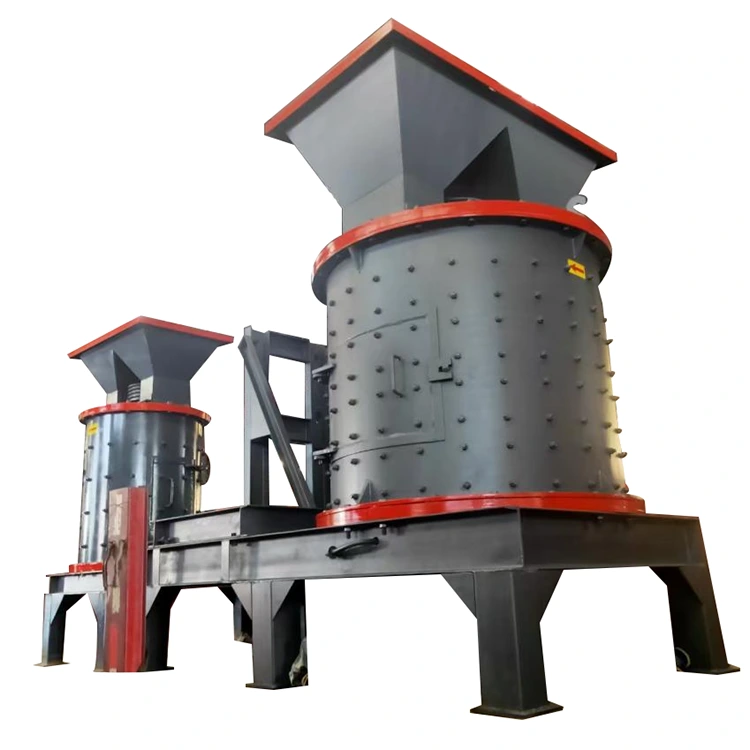
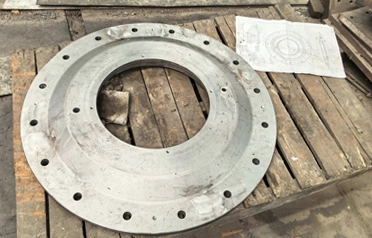
In industrial equipment manufacturing and maintenance, various complex working conditions place performance requirements on parts that far exceed the scope of standard parts, making non-standard parts a core adaptation solution. Whether it's harsh operating environments with high temperature, high pressure, strong corrosion, and high wear, or special transmission, connection, and positioning requirements in large-scale complete sets of equipment, standardized parts often fail to meet the requirements due to performance limitations and mismatched dimensions. Non-standard parts can be customized through design, selectively using special alloys, anti-corrosion materials, wear-resistant materials, etc., while optimizing structural form and precision parameters to precisely match the special operating needs of the equipment, effectively solving problems such as equipment jamming, excessive wear, and poor adaptation, ensuring the long-term stable operation of industrial equipment under complex working conditions, and improving overall equipment operating efficiency and service life.
II. Aerospace Field: Maintaining High Precision and Building a Reliable Defense Line
The aerospace field has extremely high requirements for the precision, strength, lightweighting, and reliability of components. The performance of each part directly affects equipment safety and operational stability, and the application of non-standard parts plays an important role in this field. From core components of aircraft engines and airframe structural connectors to precision transmission parts and seals of aerospace equipment, all require non-standard customization to achieve a balance of multiple performance requirements. Through precise process design, rigorous material selection, and high-precision processing, non-standard parts can meet the special needs of aerospace equipment for lightweighting, high strength, fatigue resistance, and high sealing, while adapting to the compact structural layout of the equipment, providing core guarantees for the safe operation of aerospace equipment. III. Medical Devices: Balancing Personalization and Ensuring Safety
The research and development and production of medical devices have always prioritized safety and adaptability. Non-standard parts, with their ability to be customized, have become a crucial component in the medical device field. On the one hand, for products such as surgical instruments and rehabilitation equipment, special structures and dimensions of parts need to be customized according to clinical needs to adapt to different surgical scenarios and patient characteristics, improving the precision and convenience of medical procedures. On the other hand, for supporting parts of implantable medical devices, non-standard parts can ensure compatibility with human tissues and avoid safety risks by customizing biocompatible materials and optimizing surface processes. The flexibility and precision of non-standard parts provide important support for the personalized innovation of medical devices and the improvement of clinical adaptability, contributing to the iterative upgrading of medical technology.
IV. New Energy and Environmental Protection Equipment: Empowering Green Development and Enhancing Equipment Efficiency
With the rapid rise of the new energy and environmental protection industries, equipment in fields such as wind power generation, solar energy utilization, wastewater treatment, and solid waste treatment is constantly being upgraded, and the demand for adaptability and specificity of parts is increasing. The application scenarios of non-standard parts in this field continue to expand. In wind power generation equipment, non-standard parts can be customized to adapt to different models of transmission components and connection structures, coping with complex environments such as strong winds and temperature changes outdoors. In solar energy equipment, non-standard customization optimizes bracket structures and fixing components, improving the adaptability and stability of the equipment in different installation scenarios. In environmental treatment equipment, non-standard parts can be customized with corrosion-resistant and anti-clogging core components based on the characteristics of wastewater, exhaust gas, and solid waste treatment, improving equipment efficiency and service life, and injecting momentum into green manufacturing and the development of the environmental protection industry.
V. Other Specialized Scenarios: Covering Diverse Needs and Supporting Industry Innovation
In addition to the core areas mentioned above, non-standard parts are also widely used in subdivided scenarios such as rail transit, automobile manufacturing (special vehicles, modified vehicles), mold processing, and electronic appliances (precision instruments, special electronic equipment). In the rail transit sector, non-standard parts can be customized to fit damping components and connecting structures of rail equipment, ensuring smooth operation; in automotive modification and special vehicle manufacturing, non-standard parts meet the needs of personalized structural design and the addition of special functions; in precision molds and electronic instruments, non-standard parts, with their high-precision customization capabilities, meet the core requirements of miniature structures and complex transmissions, driving innovation and upgrading of products across various industries.
In summary, non-standard parts, with their core advantage of "customization on demand," break through the limitations of standard parts and precisely meet the specific needs of various industries. Choosing a reputable manufacturer of non-standard parts ensures the performance and compatibility of these parts through scientific design, rigorous processing techniques, and comprehensive quality control, providing reliable component solutions for various production scenarios.
We use cookies to offer you a better browsing experience, analyze site traffic and personalize content. By using this site, you agree to our use of cookies.Privacy Policy